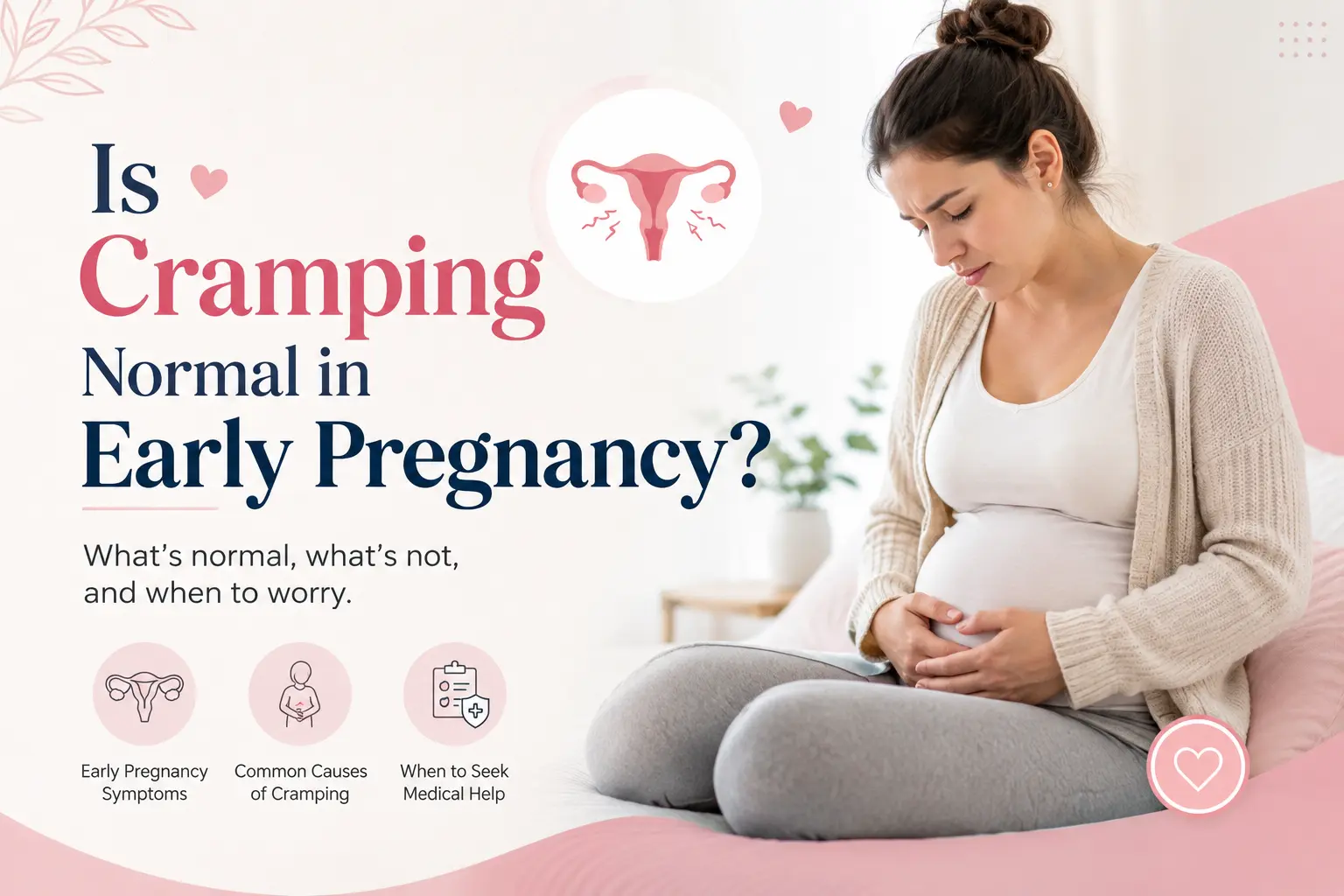
National Health Service (NHS) suggests that if you experience stomach ache or cramps during pregnancy, it is very normal. Moreover, the cramps improve with time, rest, or changing positions.
Is cramping normal in early pregnancy, or can it cause complications in childbirth? is a normal question among expectant women. Cramping is normal if it's not severe and accompanied by bloating and abdominal pain.
Is cramping normal in early pregnancy or the first trimester? Feeling cramps is an uncomfortable experience; however, it's particularly normal to have cramps. Many women remain anxious that cramps lead to miscarriage and complications. You might feel discomfort as your body adjusts to carrying a growing baby and your uterus increases in size; this may result in abdominal changes.
National Health Service (NHS) suggests that if you experience stomach ache or cramps during pregnancy, it is very normal. Moreover, the cramps improve with time, rest, or changing positions. You can also use pregnancy tools for extra knowledge and medical reasons behind your cramps.
Is Cramping Normal in Early Pregnancy?
Yes, you will feel cramping in your first trimester when going through pregnancy, and it's perfectly normal. There are various causes for cramping, including:
- Implantation of the fertilized egg
- Growth and increase in size of the uterus
- Hormonal changes
- Constipation and trapped wind
- Early stretching of the supporting ligaments
It is advisable that if there is severe abdominal pain, then you should consult a doctor or a gynaecologist. According to Tommy’s, it is normal for women to have abdominal pain during the first 12 weeks.
What Does Normal Pregnancy Cramping Feel Like?
Women who have experienced cramping explain it as:
- Mild period-like cramps
- Pulling or stretching sensations
- Occasional sharp twinges
- Pressure in the lower abdomen
- Brief cramps that come and go
When I feel cramps that are similar to period pain, it means that the uterus is expanding and hormones are changing rapidly during the early pregnancy. When a pregnant woman, Tara, faced such a condition and checked with her doctor. The doctor recommended taking rest, staying hydrated, and monitoring the symptoms, including severe pain accompanied by bleeding.
Within a few days after following the doctor's recommendations, showing that the cramping was normal. Hence, when you experience normal cramps, they are usually:
- Mild
- It gets better with rest
- It remains for a few seconds or minutes
- And are not accompanied by heavy bleeding
You may also like to read: Period Tracker Calculator
Common Causes of Early Pregnancy Cramping
| Cause | What It Feels Like | Is It Normal? |
Implantation | Mild cramping with or without light spotting | Yes |
Uterine growth | Pulling or stretching sensation | Yes |
| Hormonal changes | Period-like discomfort | Yes |
| Constipation or trapped gas | Bloating and abdominal cramps | Yes |
Round ligament stretching (not very common) | Sharp pain when moving or standing | Usually, but not always all times |
When Should You Contact a Doctor?
If you are facing cramping during your pregnancy, it might be normal if it's mild depending upon your physiology. However, if the following factors persist with cramping, you should seek medical guidance from a doctor:
- Heavy vaginal bleeding
- Severe or worsening pain
- Pain on one side of the abdomen
- Shoulder-tip pain
- Fever or chills
- Dizziness or fainting
- Continuous pain that does not get relieved even after getting rest
These symptoms may indicate conditions such as ectopic pregnancy, miscarriage, or infection. Therefore, in such cases, it's best to get a quick assessment from a healthcare professional.
You can use tools like Panakit Pregnancy Due Date Calculator and Pregnancy Week Calculator to estimate your gestational age. You just need to add your last menstrual period (LMP) to find them. Apart from that, your cramping can also result from constipation. Tommy's reveals that 40% of expectant women experience cramping after constipation.
How to Relieve Mild Pregnancy Cramps?
If your healthcare provider has ruled out complications, you may find relief by the following:
- Resting and avoiding strenuous activity
- Drinking plenty of water to stay hydrated
- Eating fibre-rich foods to avoid constipation
- Changing positions slowly
- Taking a warm (not hot) bath
- Wearing loose, comfortable clothing
In such situations, you should avoid any pain-relieving medications until it is prescribed by a professional doctor. When I was working, my colleague Jenna, who was pregnant in her second trimester, experienced cramps that felt like period cramps. However, the cramps lasted throughout the day and did not result in bleeding.
Jenna was worried and contacted a midwife to tell her about the experience she was having. The midwife told her the cramps would not result in bleeding, as the pain is due to the uterus’s size. She asked Jenna to increase her water intake and rest, and the pain would subside in a week.
Conclusion
If you are experiencing cramping and thinking, is cramping normal in early pregnancy? When you know how many weeks have passed since the pregnancy, you can understand why you are facing cramps. You can use various tools to check your pregnancy's current date and observe the symptoms.
If the symptoms are severe, you should contact the physician immediately to seek medical guidance. In normal cases, it's normal to have cramping during pregnancy.
Frequently Asked Questions
Can cramping happen without bleeding?
Yes, cramping can happen without bleeding, and it's common during early weeks of pregnancy owing to hormonal changes in the uterus.
Is one-sided cramping normal?
Usually, women face cramping on one side when they stretch or do some exercise. If the pain doesn't subside and becomes severe, accompanied by bleeding, dizziness, or shoulder pain, seek medical guidance. The pain could be due to the possibility of an ectopic pregnancy.
Can constipation cause pregnancy cramps?
Constipation can affect about 40 out of 100 pregnant women with symptoms like abdominal pain, bloating, and cramping.
For more pregnancy related and women's health related important and daily useable tools visit Panakit.com